There’s no denying it: GLP-1 medications like Ozempic have reshaped the conversation around weight loss. What once required years of struggle is now, for many, medically achievable. But as bodies slim down, faces sometimes tell a different story—one that patients weren’t expecting.
Enter the term “Ozempic face.”
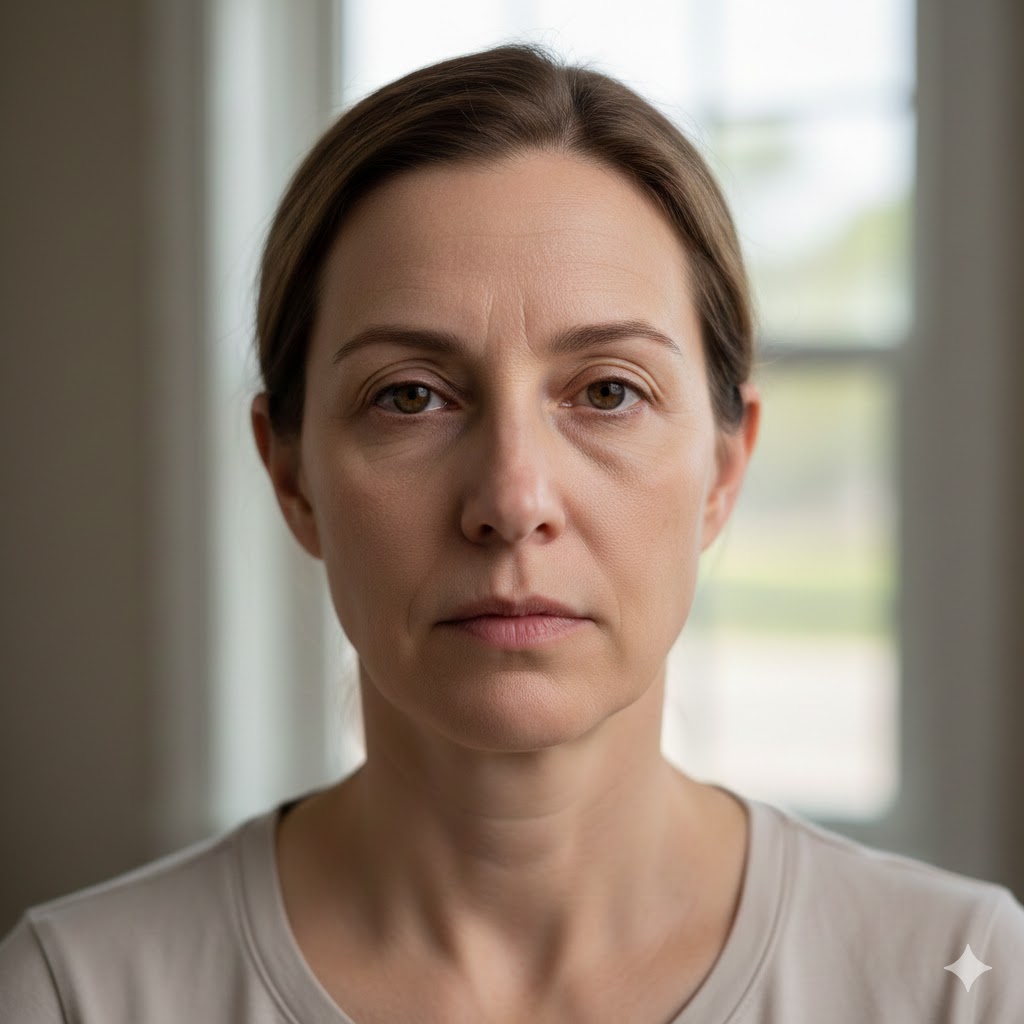
As a plastic surgeon who specializes in facial aesthetics, I’ve seen a growing number of patients walk into my office saying some version of the same thing:
“I love how my body looks—but my face looks tired, older, or hollow.”
Let’s talk about why that happens, who it affects, and—most importantly—how to restore a natural, youthful balance without undoing your hard-earned results.
“Ozempic Face” is the rapid deflation of the face that occurs as the body sheds significant weight quickly.
In the face, fat isn’t the enemy. In fact, it’s essential.
As I often tell my patients:
“Fat in the right places of your body and face makes you look youthful. Too much and you look heavy—not enough and you look old, gaunt, and tired.”
Facial aging isn’t just about wrinkles. It is also about volume loss and volume descent. Our faces are supported by deep and superficial fat compartments that keep our skin taut and our contours smooth. When the weight drops dramatically, the face loses this supportive scaffolding, leading to:
GLP-1 medications work by reducing appetite and slowing gastric emptying, which often leads to rapid caloric deficit and fat loss. While we can’t spot-reduce fat, the face is particularly vulnerable because:
This isn’t unique to Ozempic—it’s been seen for decades after any significant weight loss—but the speed and magnitude of GLP-1–related loss makes the facial changes more noticeable.
This is not a certainty for everyone on GLP-1s, but it’s a possibility for anyone experiencing rapid, significant weight loss.
| Question | Expert Insight by Dr. Judge |
|---|---|
| How much weight loss is the trigger? | I typically see the appearance of “Ozempic Face” when patients lose 20 pounds or more, especially if that loss occurs in less than six months. The speed is often more impactful than the total amount. |
| Does everyone get it? | No. Patients over 35-40, those with pre-existing sun damage, massive weight loss, or those with naturally less facial fat are generally more susceptible. Younger patients with good skin elasticity may tolerate the change better. |
| What dose of Ozempic is it usually seen at? | It is not dose-dependent, but rather result-dependent. It appears when the medication is effectively causing rapid weight reduction, which can happen at various dosage levels depending on the individual’s metabolic response. |
For patients who have found life-changing health benefits from GLP-1s, stopping the medication is not an option—nor should it be. The key is harmonization: allowing your body to be healthy while ensuring your face reflects the vibrancy of your new life.
While the lost fat cannot naturally return without regaining the weight (which defeats the purpose), the aesthetic effects are highly treatable. The goal is strategic replenishment and structural support.
I am a big believer in natural and youthful looks. My approach is always to restore what was lost, not to overfill or drastically change the underlying architecture.
These are the immediate solutions for volume loss and skin quality improvement.
| Treatment | Goal | Mechanism |
|---|---|---|
| Hyaluronic Acid Fillers | Rejuvenate hollowed cheeks, temples, and under-eyes (tear troughs). | Precisely replaces the lost fat pads to lift and restore smooth contours. |
| Biostimulatory Fillers | Reinforce the mid and lower face. | Triggers the body’s natural collagen production for long-term structural support. |
| Energy-Based Skin Tightening | Address skin laxity and jowls. | Uses lasers or microneedling to stimulate collagen and tighten the skin layer. |
| Medical-Grade Skin Care | Address skin dullness and laxity | Enhances antioxidant protection brightening skin, evening tone and stimulates collagen |
For patients with significant laxity or those seeking a permanent solution, surgical options offer the most dramatic, yet still natural, results.
If you are on a GLP-1 medication and are noticing these changes, or are planning to start a weight loss journey, proactive aesthetic planning is your best defense. A personal consultation with a board-certified Plastic Surgeon is the crucial next step in creating a treatment map.
You can schedule your personalized consultation with my office today if you would like to pursue treatment options with me in my clinic in Nob Hill in San Francisco, CA.
